

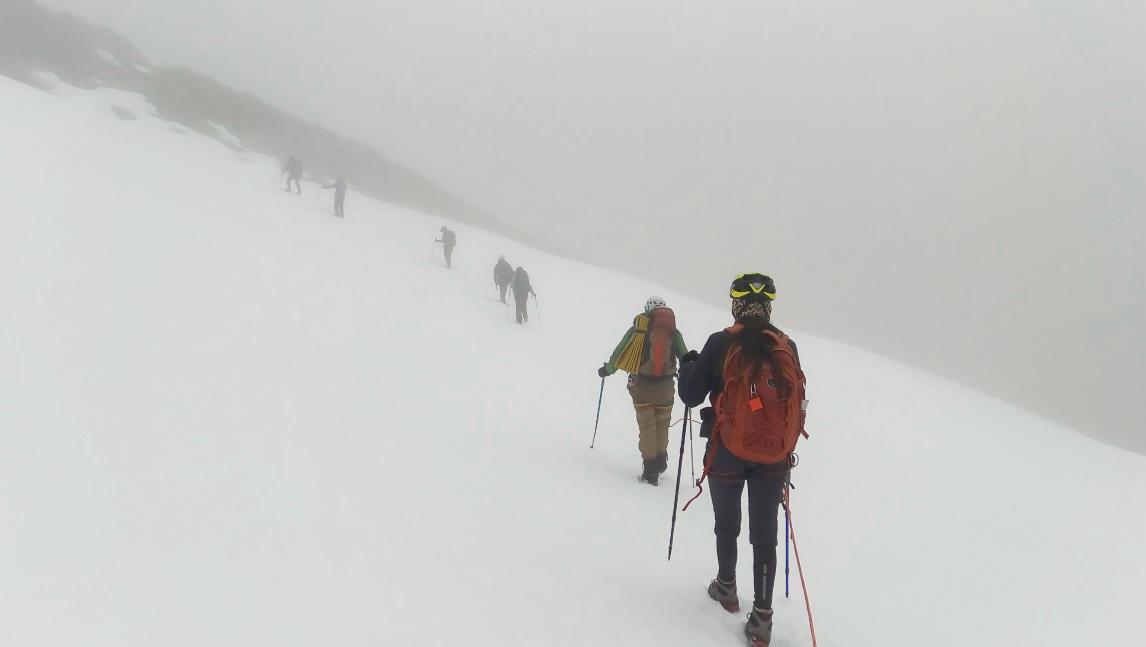
Altitude Sickness in Cusco: Symptoms, Prevention, and What Actually Works
Nearly half of travelers who fly directly into Cusco (3,399 m / 11,152 ft) develop some degree of altitude sickness, according to a 2012 airport survey of foreign tourists. Symptoms — headache, nausea, fatigue — usually appear within the first day of arrival. Acetazolamide (Diamox) is the only prevention method with strong clinical evidence behind it; coca tea and extra water are not.
Cusco sits at 3,399 meters above sea level — high enough that most visitors arriving directly from sea level will feel it. This guide walks through what the actual clinical and travel-medicine research says about altitude sickness in Cusco: how common it really is, how to tell mild symptoms from something more serious, which prevention methods are backed by evidence and which are folklore, and when it’s time to see a doctor. At FindersPeru, every private itinerary is built around acclimatization days rather than treating altitude as an afterthought — this article is the research behind that approach.
Key Takeaways
- About 48.5% of tourists flying directly to Cusco develop acute mountain sickness (AMS); 17.1% experience a severe case (Salazar et al., 2012).
- Skipping a stop above 2,500 m before arriving in Cusco more than doubles AMS risk (adjusted odds ratio 2.41).
- Acetazolamide (Diamox) reduces AMS risk by roughly 45–53% in clinical trials — the only prevention method with solid evidence behind it.
- Coca tea and forcing extra water intake have no proven effect on AMS, and overhydration carries its own risk.
- Standard travel insurance can exclude coverage above 3,000–4,000 m — relevant if your itinerary includes Rainbow Mountain (5,036 m) or the Salkantay Trek (4,630 m).
What Altitude Sickness (Soroche) Actually Is
At Cusco’s elevation, atmospheric pressure drops from the 760 mmHg you’d have at sea level to roughly 500 mmHg. That thinner air cuts the oxygen available in each breath by about a third. Your body responds by breathing faster and deeper — a reflex called the Hypoxic Ventilatory Response. That faster breathing blows off carbon dioxide, which shifts your blood chemistry toward mild alkalosis and acts like a brake on your own breathing, until your kidneys correct for it over the next one to three days. Acute mountain sickness (AMS) is what you feel while your body is working through that adjustment.
How Common Is Altitude Sickness in Cusco? The Real Numbers
This isn’t a minor-risk, rare-exception situation — it’s closer to a coin flip for anyone flying straight in:
| Study | Population | Finding |
| Salazar et al., 2012 | Foreign tourists at Cusco airport, 76.7% flew directly from Lima | 48.5% overall AMS incidence; 17.1% classified as severe |
| Pineda-Reyes et al., 2020 | International travelers, first two days in Cusco | 37% overall AMS incidence; skipping a stop above 2,500 m before Cusco raised risk 2.41× |
| Burtscher et al., 2023 (meta-analysis) | Air travel vs. gradual ascent, multiple studies | AMS incidence rises 4.5× more steeply per meter gained via air travel than gradual ground ascent |
The pattern across all three: how fast you get to altitude matters more than almost anything else. Flying directly into Cusco from sea level is the single biggest risk factor you actually control.
Symptoms: Mild, Moderate, and Severe
Clinicians use the Lake Louise Score (2018 consensus version) to classify AMS. It requires a recent rise in elevation, a headache (any score of 1 or higher), and a total score of 3 or more across four categories: headache, GI symptoms, fatigue/weakness, and dizziness/lightheadedness.
| Lake Louise Score | Classification | What it feels like |
| 3–5 points | Mild AMS | Headache, mild fatigue, some nausea — annoying but manageable |
| 6–9 points | Moderate AMS | Headache doesn’t respond to basic pain relief, noticeable nausea/vomiting, real fatigue |
| 10–12 points | Severe AMS | Severe symptoms across categories — this is a stop-and-descend situation |
When It’s Not Just «A Bad Headache»
Most AMS resolves on its own within a day or two as your body adjusts. But research also shows a gap between how many people actually meet AMS criteria and how many act on it: studies put the share of tourists meeting AMS criteria within 48 hours at 37% to 43.2%, with about 20% experiencing real disruption to their trip — yet only 19% to 22.1% seek any formal medical care. In plain terms: a lot of travelers tough out symptoms that were worth getting checked. Severe, worsening symptoms — confusion, difficulty walking in a straight line, shortness of breath at rest, a persistent dry cough — are signs of high-altitude cerebral or pulmonary edema, not «just» AMS, and warrant medical attention rather than waiting it out.
What Actually Prevents Altitude Sickness
Acetazolamide (Diamox): The Only Method Backed by Real Evidence
A Cochrane Database systematic review covering 16 clinical trials (2,301 participants) found acetazolamide cuts AMS risk with a risk ratio of 0.47 — roughly a 53% relative risk reduction compared to placebo. A separate BMJ meta-analysis of 11 trials found the standard prophylactic dose (250 mg/day, taken as 125 mg twice daily) has a Number Needed to Treat (NNT) of 6 — meaning for every 6 people who take it, one additional case of AMS is prevented that wouldn’t have been otherwise. Going higher than 250 mg/day doesn’t meaningfully improve protection, but it does increase side effects like tingling fingers (paresthesia) and increased urination. Clinical practice guidelines established by the Wilderness Medical Society and the CDC recommend starting acetazolamide 1 day (24 hours) prior to ascending to high altitude (such as arriving in Cusco) and continuing for the first 2 days at target elevation.
Does Diamox Mask Your Symptoms? No.
A common traveler worry is that altitude medication just hides symptoms while the underlying problem gets worse. That’s not how acetazolamide works. It’s a carbonic anhydrase inhibitor — it makes your kidneys excrete more bicarbonate, which mildly acidifies your blood and stimulates the same breathing response your body would eventually produce on its own, just faster. It accelerates real acclimatization rather than covering up a problem.
Who Shouldn’t Take It
Acetazolamide has a documented, serious interaction with high-dose aspirin: combining the two can push aspirin into a form that crosses into the brain more easily, while impairing the kidneys’ ability to clear the acetazolamide — a combination that FDA prescribing information flags as carrying a risk of severe metabolic acidosis, central nervous system toxicity, coma, and death. This is not a «check with your doctor as a formality» situation — anyone on regular aspirin therapy needs to raise this with a physician before combining the two.
What Doesn’t Work (Despite the Myths)
Coca Tea
A standard cup of mate de coca, brewed from about a gram of coca leaf, contains roughly 4–5 mg of cocaine alkaloids. It’s a genuine part of Andean culture and worth trying — but clinical and physiological research shows it does not raise blood oxygen saturation, does not lower carbon dioxide levels, and doesn’t reduce AMS scores. There’s no randomized controlled trial evidence supporting it as prevention or treatment. Drink it for the experience, not as a substitute for real prevention.
«Just Drink More Water»
This is repeated everywhere, but the evidence doesn’t back it. AMS is driven by hypoxia-induced changes in blood vessels and mild brain swelling — not dehydration — so forcing extra fluids (beyond normal intake, in the 3–5 liters/day range some guides recommend) doesn’t prevent or reduce AMS. It can actually backfire: combined with altitude’s effect on hormone regulation, overhydration raises the risk of exercise-associated hyponatremia, a genuinely dangerous electrolyte imbalance. Drink normally. Don’t force it.
How Many Days You Actually Need to Acclimatize
The research is consistent on one point: gradual ascent works, and flying straight into elevation doesn’t give your body time to adjust. Building in a lower-altitude buffer — even a day in the Sacred Valley, which sits roughly 600 meters below Cusco — measurably reduces risk compared to landing in Cusco and heading straight into strenuous activity.
This matters even more for travelers adding high-altitude excursions to their itinerary: Rainbow Mountain sits at 5,036 meters, and the Salkantay Trek’s highest pass hits 4,630 meters — both well above Cusco itself. Building acclimatization days before either of those, not just before arriving in Cusco, is the difference between a hard day and a genuinely risky one.
This is exactly why FindersPeru sequences a Sacred Valley VIP tour ahead of higher-elevation days like Rainbow Mountain or the Salkantay Trek into every custom itinerary — not as an upsell, but because the research above shows it’s the single biggest lever a traveler has.
Insurance and When to Seek Medical Care
Travel insurance policies can exclude coverage above certain elevation thresholds — market analysis of insurance policies points to caps commonly sitting around 3,000–4,000 meters, which would sit below Rainbow Mountain and the top of the Salkantay Trek.
Given how many people meet AMS criteria without seeking care (see above), the practical takeaway is simple: check your policy’s elevation cap before booking a high-altitude add-on, and don’t wait out worsening symptoms just because most cases resolve on their own — most isn’t all.
Frequently Asked Questions
What are the first signs of altitude sickness in Cusco?
Headache is the defining first symptom under the clinical definition, often paired with fatigue, mild nausea, or dizziness appearing within the first several hours to a day after arrival.
How long does altitude sickness last in Cusco?
Mild AMS typically resolves within 1–3 days as your body’s natural acclimatization catches up — the same window your kidneys need to correct the blood chemistry shift described above. Symptoms that worsen past that window, rather than improve, are a signal to seek care.
Do I need Diamox for Cusco?
It’s the only prevention method with strong clinical trial evidence behind it, cutting AMS risk by roughly half. Whether you personally need it depends on your health history and risk tolerance — this is a conversation to have with your doctor before the trip, not a decision to make from a blog post.
Is coca tea good for altitude sickness?
It’s a genuine piece of Andean hospitality worth trying, but clinical research has found no measurable effect on oxygen levels or AMS symptoms. Don’t rely on it as your prevention plan.
How many days should I acclimatize before hiking Machu Picchu or Rainbow Mountain?
Research supports building in at least one lower-elevation buffer day (such as the Sacred Valley) before tackling strenuous, higher-elevation activity — the risk data above shows skipping that step more than doubles AMS risk.
Soroche pills vs. Diamox — which is better?
There are no published clinical trials or direct peer-reviewed comparative studies comparing Sorojchi Pills (an over-the-counter remedy containing aspirin, salophen, and caffeine) directly to acetazolamide (Diamox) for the prevention or treatment of acute mountain sickness. Pharmacologically, acetazolamide speeds acclimatization via renal carbonic anhydrase inhibition, whereas Sorojchi Pills only provide symptomatic pain and fatigue relief via analgesics and stimulants.
Conclusion
Altitude sickness in Cusco isn’t a rare inconvenience — it’s a near-coin-flip for anyone flying in directly, and the difference between a rough first day and a genuinely disrupted trip usually comes down to two things: how gradually you ascend, and whether you use a prevention method that’s actually been tested. Coca tea and extra water make for good local color, not a prevention plan. A buffer day at lower elevation and, where appropriate, acetazolamide do.
Planning a trip that includes Rainbow Mountain, Salkantay, or the Sacred Valley? Every FindersPeru itinerary is built with acclimatization days sequenced in from the start — not bolted on after booking. Talk to us about your itinerary, and we’ll build the altitude strategy in from day one.
This article is for general information only and is not medical advice. Consult a physician before your trip, especially if you have a heart, lung, or blood pressure condition, or take regular medication.
